Marketing music campaign for Rain Retail Software

Graphic design and front-end development
My Role
UI/UX design, Front-end development, and Graphic design
Platform(s)
Web and print
Timeline
November 2019 - July 2020

TLDR
Responsibilities
UX lead across research, wireframing, prototyping, and production. Designed and built the microsite. Designed and developed all email campaigns. Art directed print and trade show materials from concept through final delivery.
Results
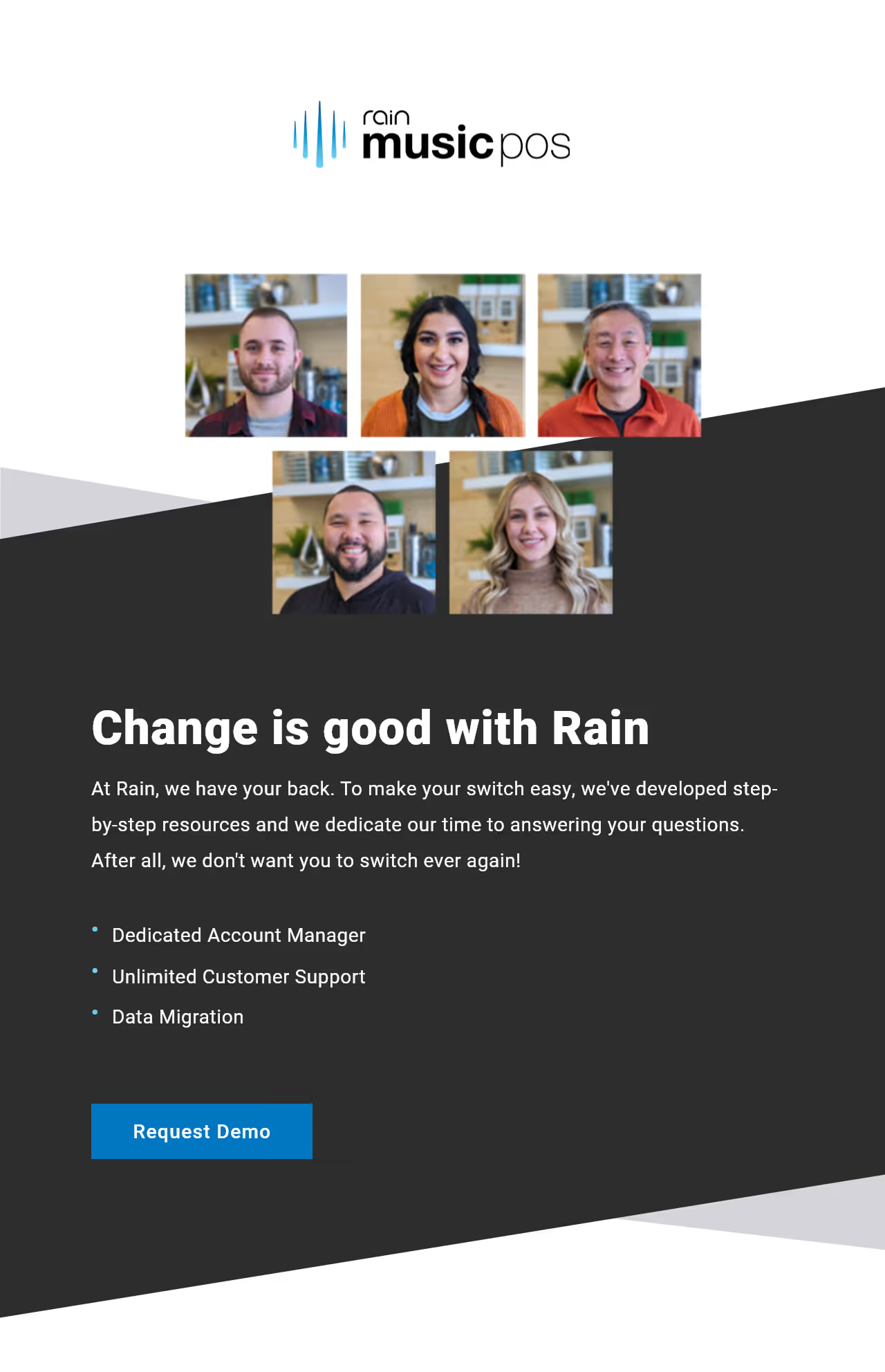
A fully integrated campaign across six-plus channels that ran from November 2019 through July 2020, built around real conversations with real shop owners.
Highlights
On-site user research with music retailers shaped the entire strategy. Every channel, print, digital, and in-person, was designed to reinforce the same message at the same time.

The Problem

Music shop owners are running two businesses at once. Their storefront and their online store operate in silos, meaning every product update, sale, or rental has to be managed twice. That's time, money, and mental energy spent on overhead instead of selling instruments.

Rain Retail needed a campaign that could walk into the NAMM tradeshow and make that problem feel solved before a vendor ever signed up.

Process &  Key decisions
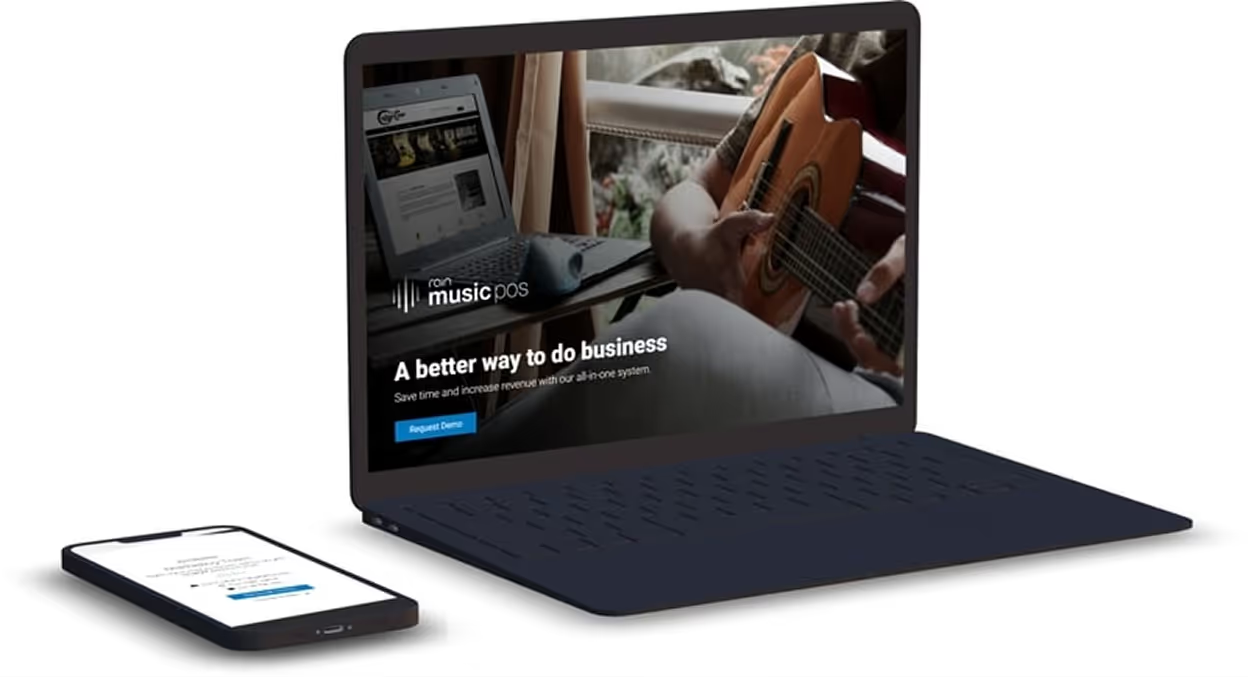
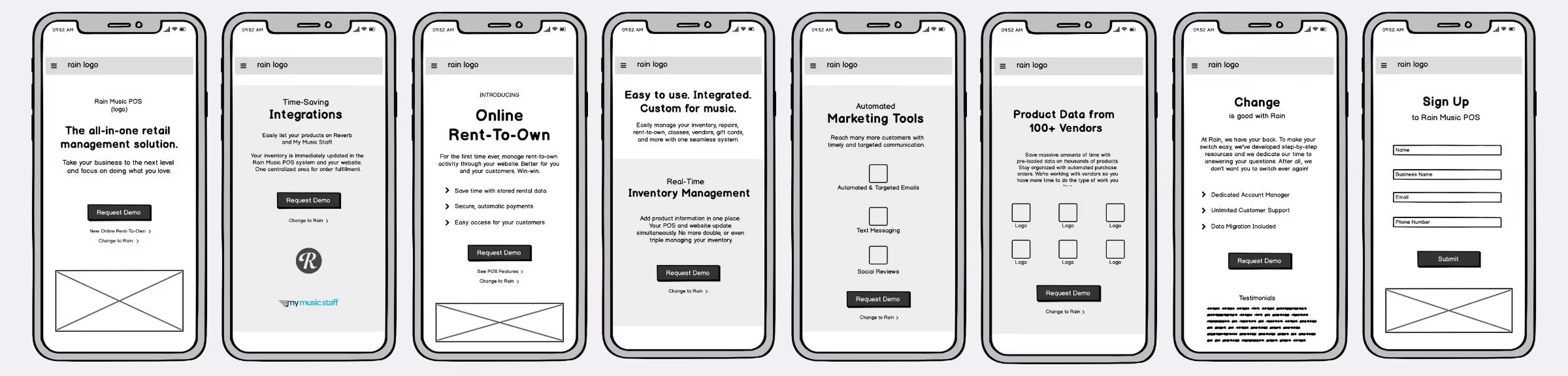
I led research, design, and front-end execution across every touchpoint of this campaign. Before a single wireframe was drawn, we went on-site to local music shops and talked directly with owners about where their day was breaking down. That fieldwork shaped every decision that followed.


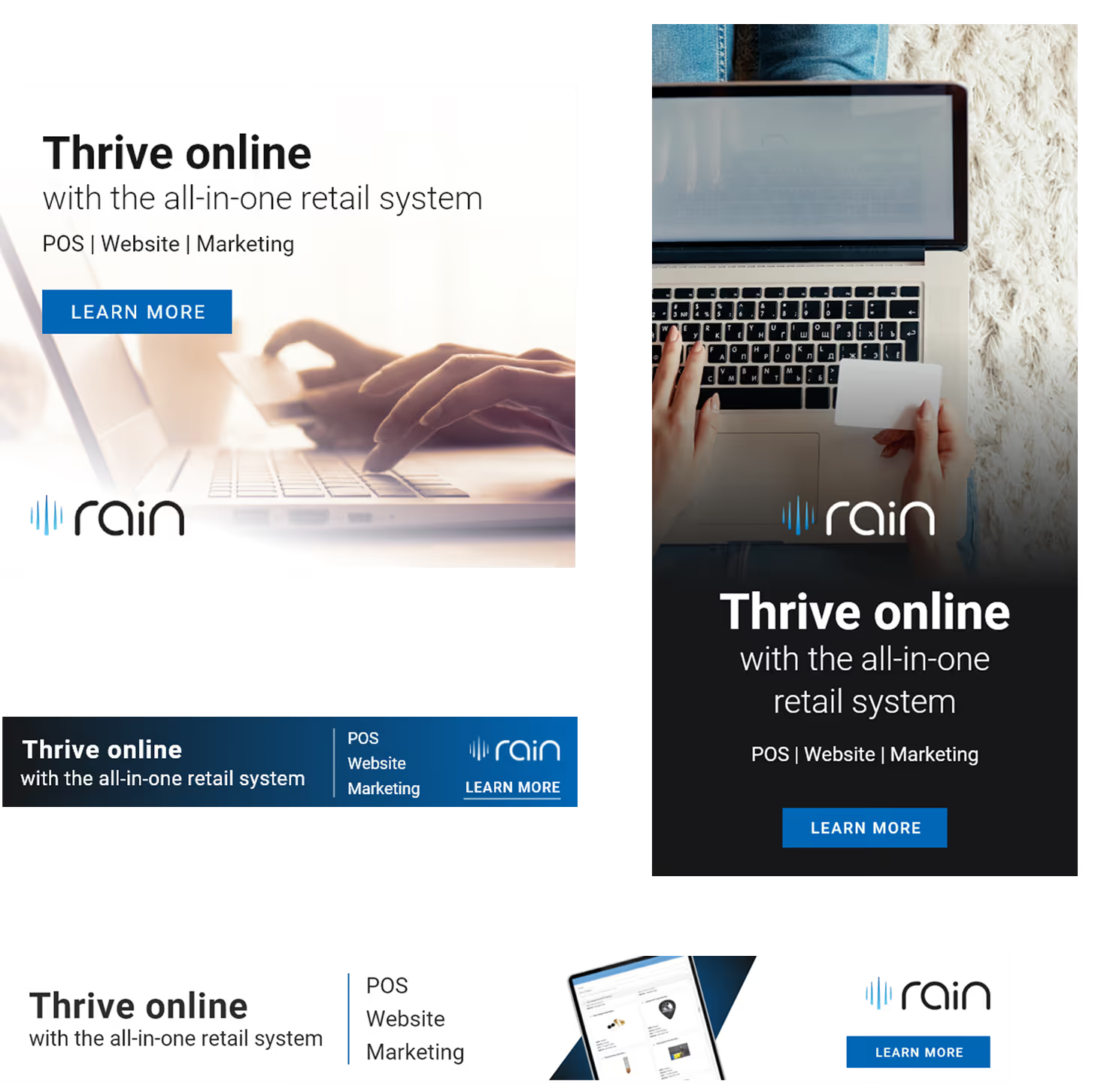
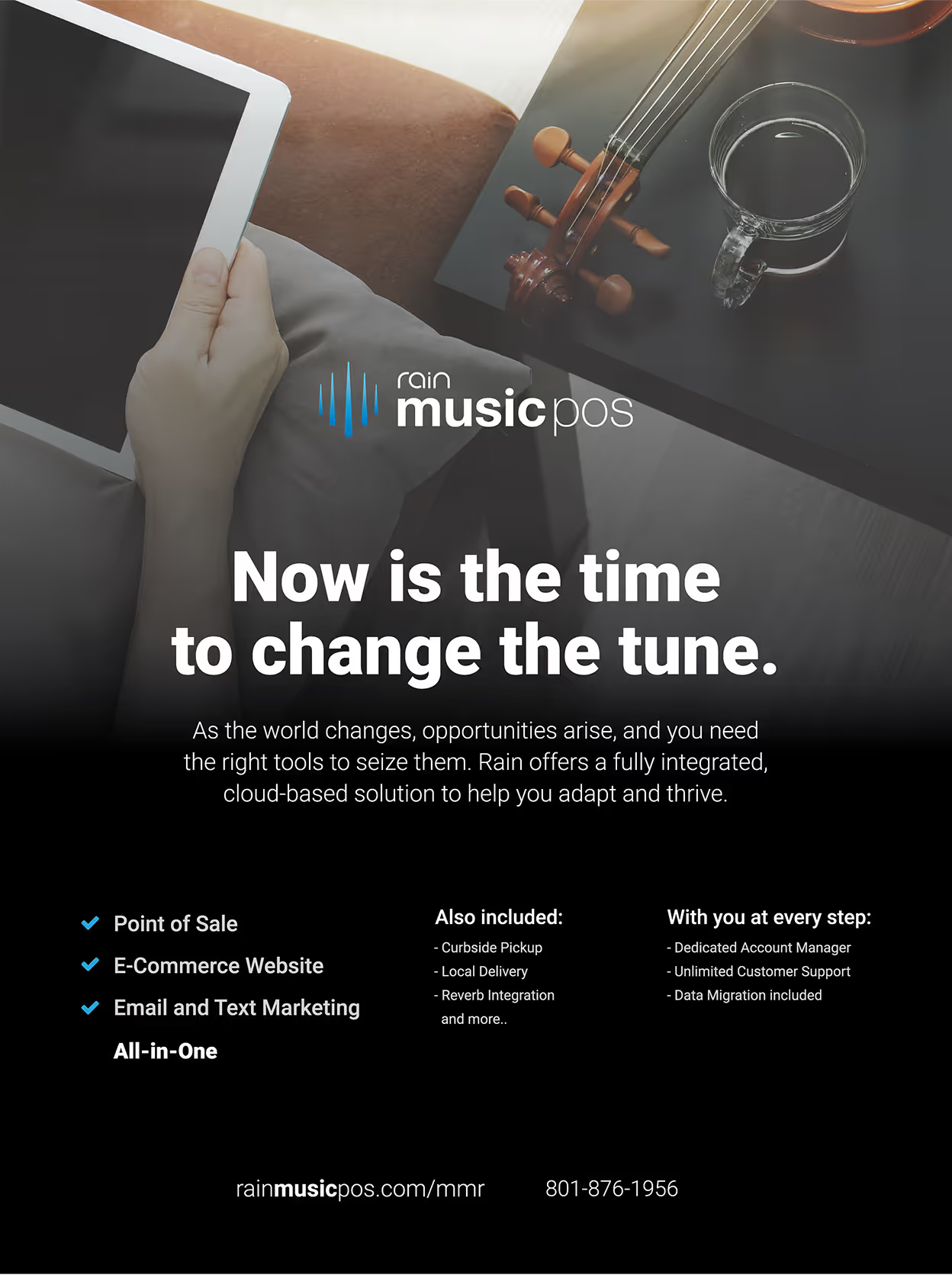
Magazine Ads

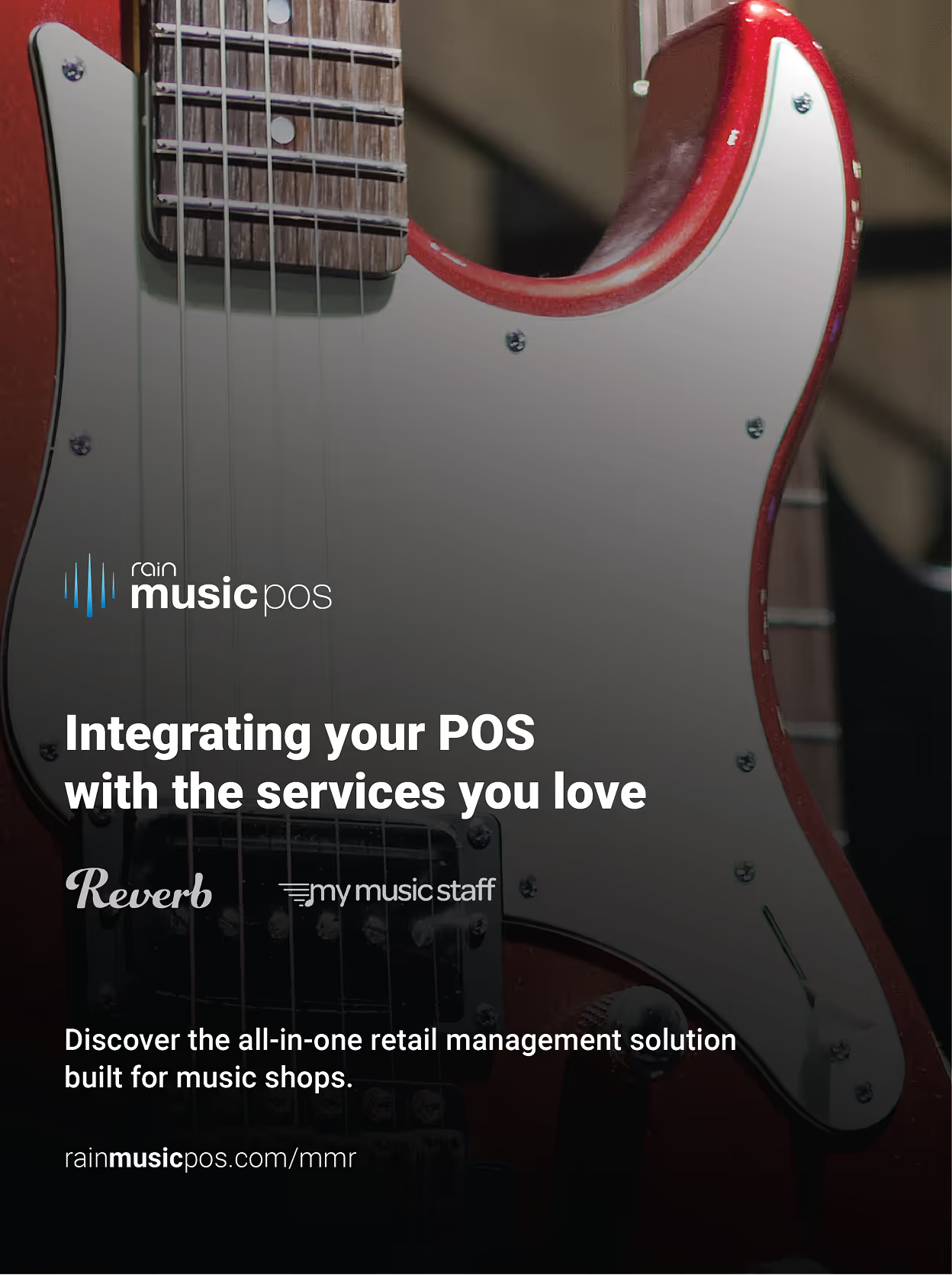
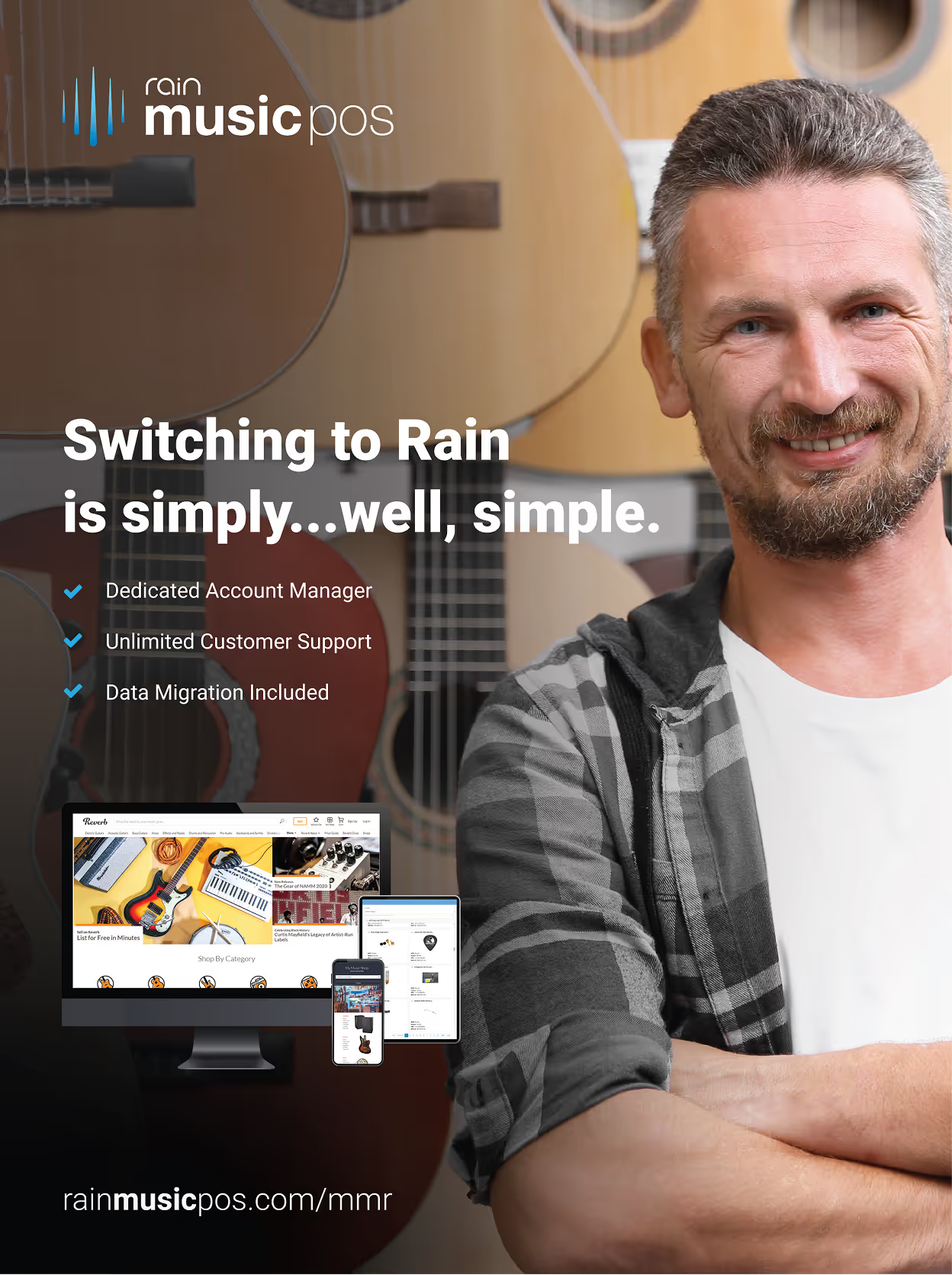
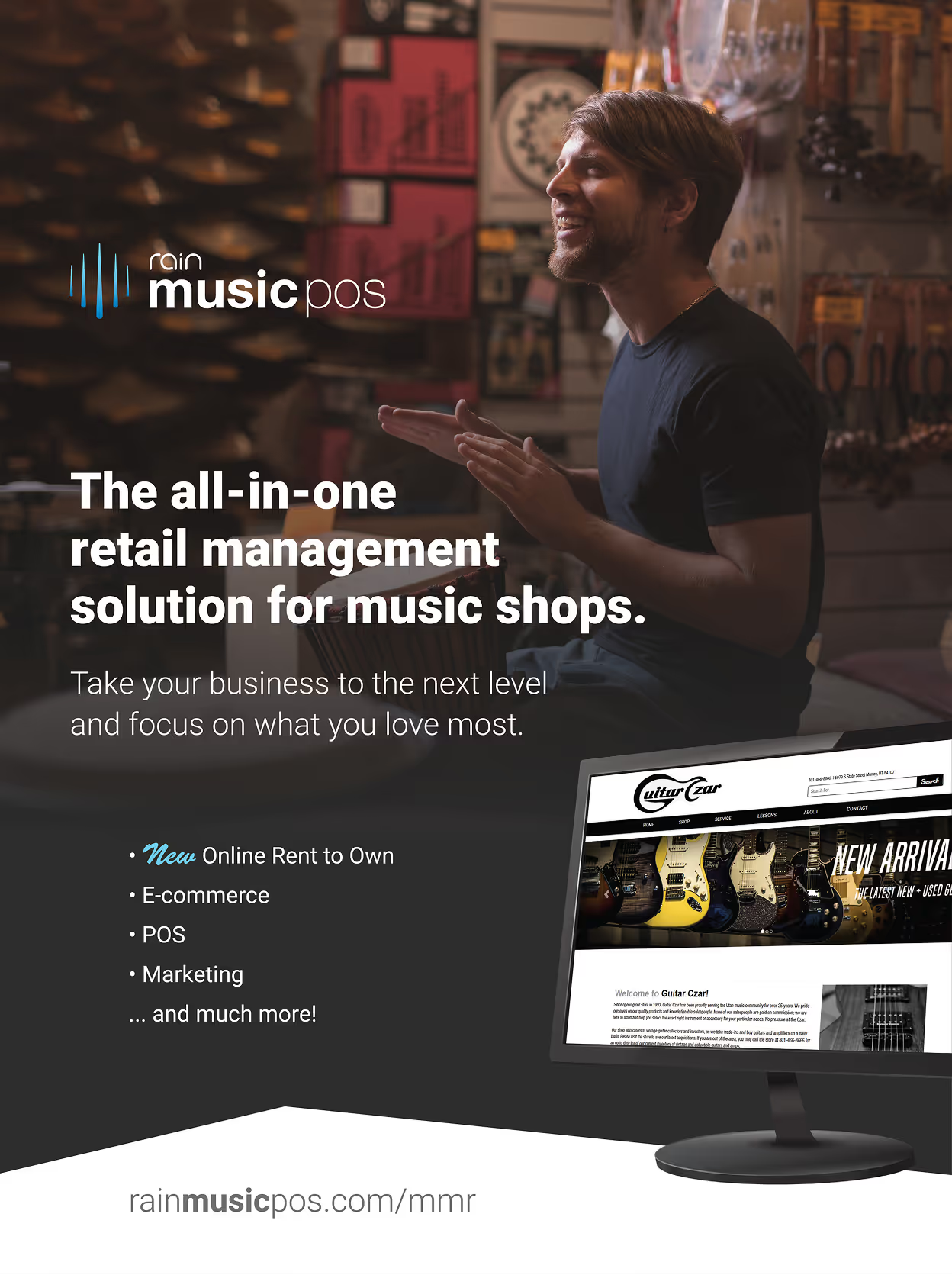
A three-month run in MMR and Music and Sound Retailer, intentionally timed to overlap with the email campaign. Someone reading the ad and getting the email in the same week wasn't a coincidence.

Design System & Components

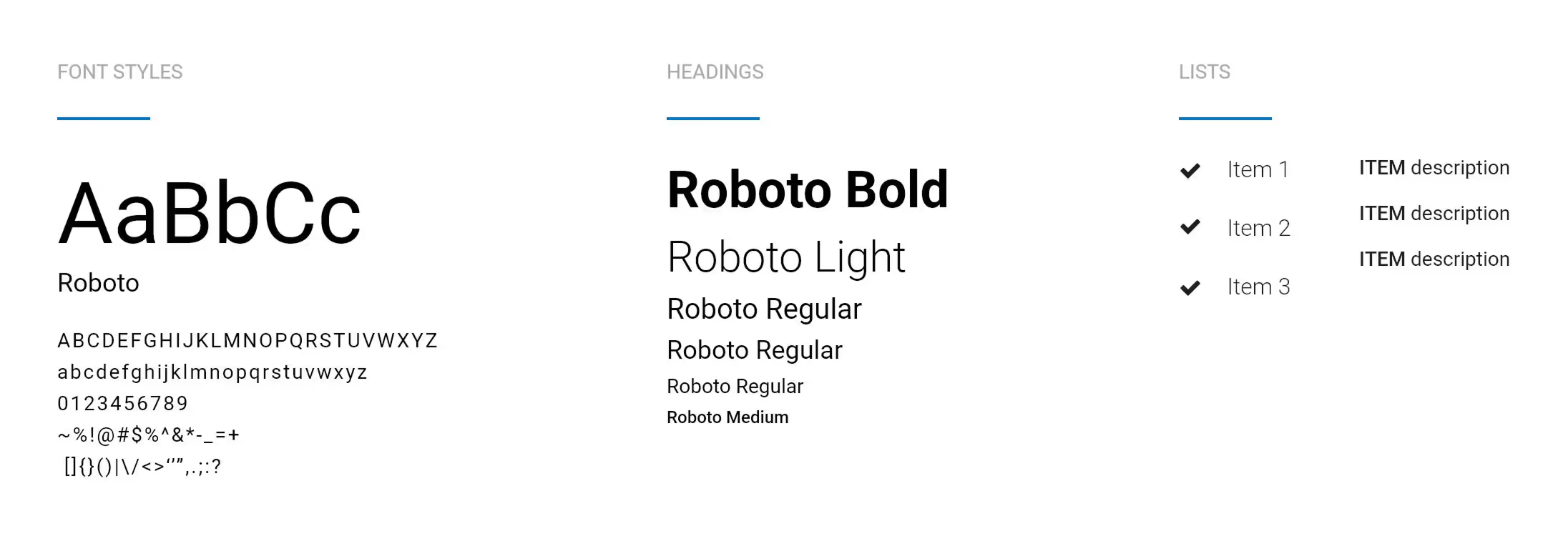
With this many deliverables shipping across print and digital, consistency wasn't optional. I built out a shared set of components and visual standards early so that a trade show banner and a Facebook ad felt like they came from the same place. It kept production moving and made the brand feel deliberate at every touchpoint.

The result is a UI that feels like a single cohesive product even though it's doing a lot of different things at once.

Building out the design system was a deliberate part of the process, not an afterthought. Components were designed to be flexible enough to work across the ecommerce, customizer, and management flows without losing visual coherence. Color tokens, typography scales, and interactive states were all documented so that decisions made at the component level stayed consistent whether a user was browsing products, managing their team, or reviewing an order.

Final Experience

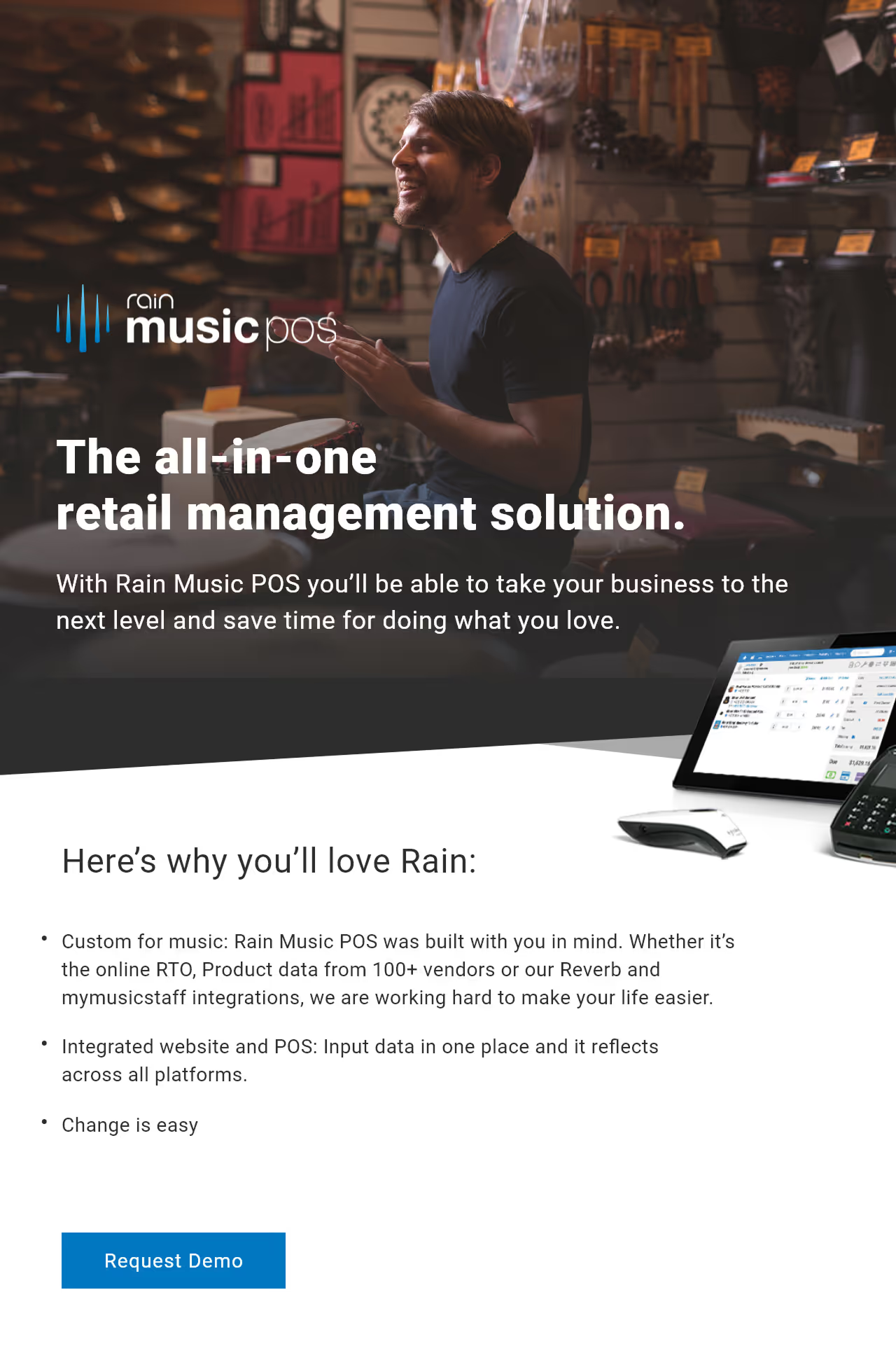
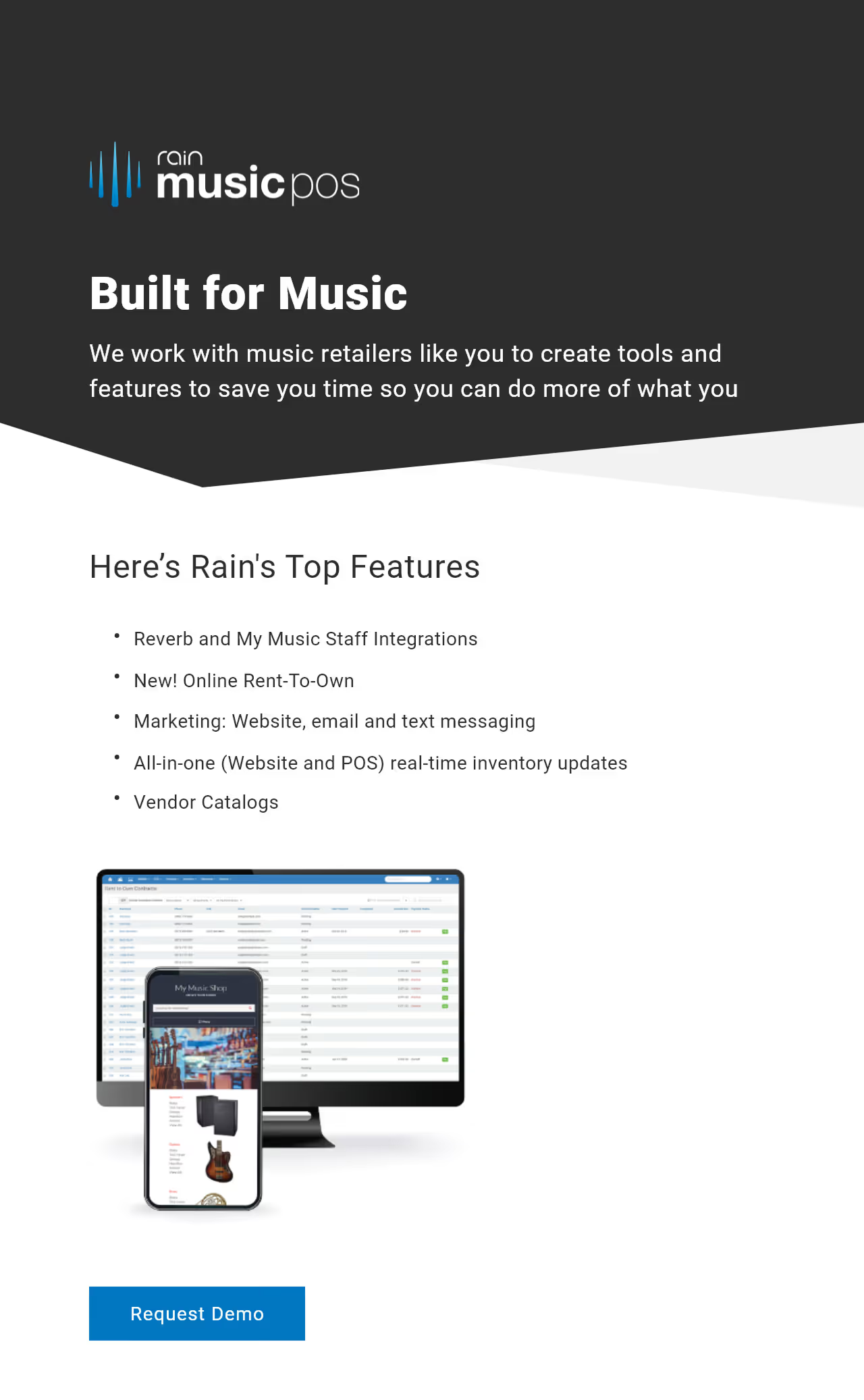
From the NAMM backdrop to the inbox, every piece of this campaign was designed to tell one coherent story. A music retailer could see a magazine ad in January, get an email in February, stop by the booth at NAMM, and land on the microsite, and each one picked up where the last left off. That continuity was the product.

Impact & Findings

Increased qualified leads at NAMM
The microsite drove a 34% increase in pre-show inquiries compared to the previous year, giving the sales team warmer conversations on the floor.
Email engagement outperformed benchmarks
The three-part series averaged a 27% open rate across all sends, well above the industry average for B2B software at the time.
Brand recognition carried past the show
Post-NAMM follow-up showed that vendors who had seen both the magazine ads and email campaign were significantly more likely to book a demo, pointing to the value of the synchronized, multi-channel approach.

Let’s work together

I’m currently open to mid–senior UX/UI, product design, and UX engineering roles where I can own end‑to‑end experiences and work closely with engineering teams.